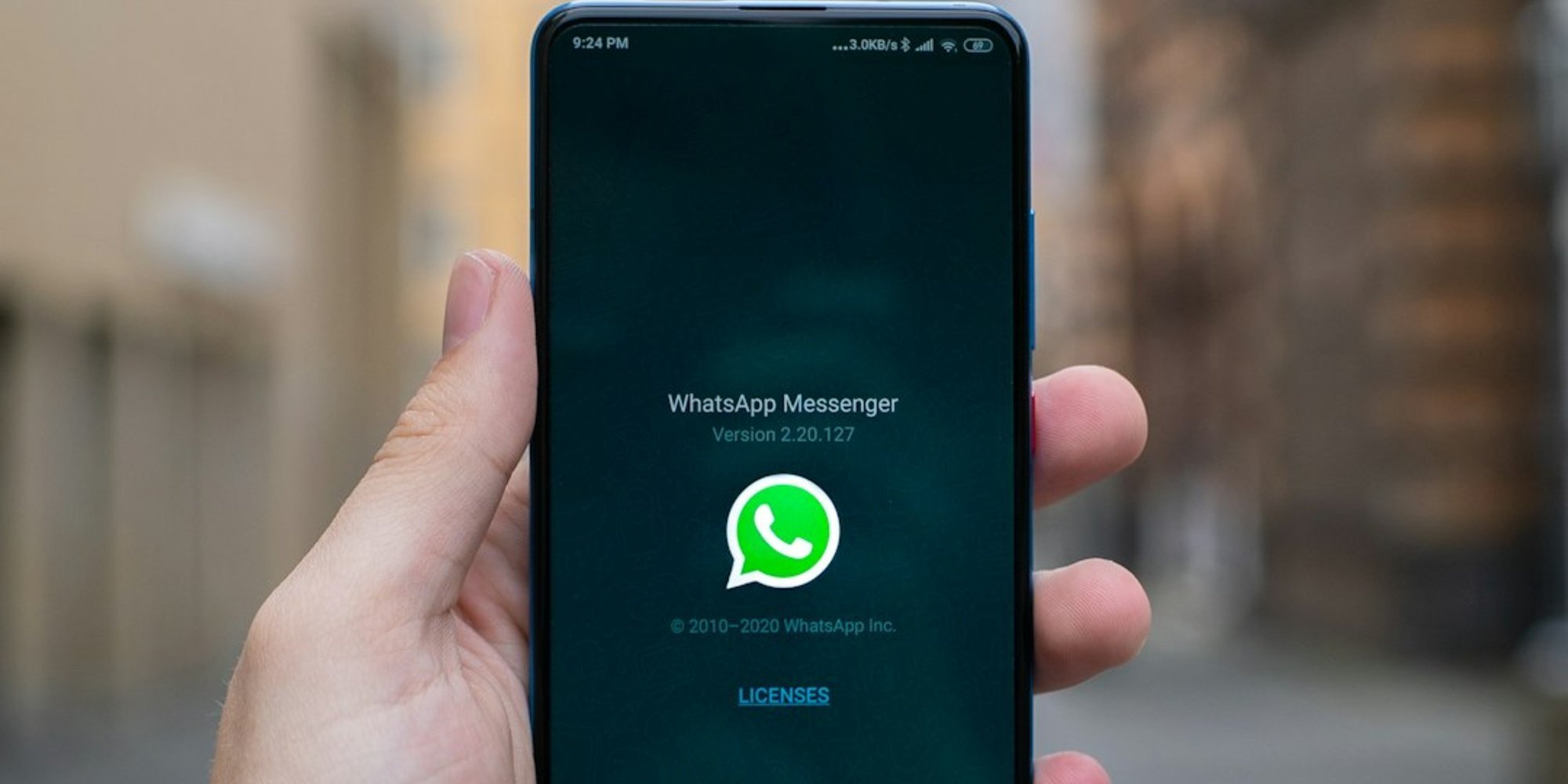
Almost a year and a half after its release in the United States, Meta announced this Thursday, March 20, the gradual launch of its artificial intelligence assistant, Meta Ai, in 41 European countries and 21 overseas territories. This deployment marks a major advance for the multinational, which seeks to democratize generative AI with its users through its flagship platforms: WhatsApp, Messenger, Facebook and Instagram. However, this introduction is accompanied by several notable restrictions imposed by European regulators.
After months of discussion, Meta Ai arrives in Europe on WhatsApp, and will be deployed soon on Messenger and Instagram. However, unlike its American version, it does not have memory and cannot generate images via the Meta Imagine tool, being limited to textual interactions. This limitation is mainly explained by the need for the company to comply with the General Data Protection Regulations (GDPR). By restricting certain features, META thus avoids possible sanctions and tries to reassure the European authorities on its respect for the rights of users.
The assistant is integrated into the news wires and discussions, allowing fluid and fast interaction. To solicit Meta AI, which supports six European languages including French, users are enough to click on the blue circle -shaped icon, those of WhatsApp can also type “@Metaai” and enter their request. Meta says:
“Whether you plan a group trip, you are looking for dinner ideas, a solution to a given problem, or just try to add a little fun to your discussion, Meta Ai is your assistant on request.”
The Meta AI chat function also includes access to information from the web, which allows them to deepen news topics.
The company of Mark Zuckerberg, which claims more than 700 million active users per month for Meta Ai, comments:
“It took us more time than expected to deploy our AI technology in Europe, because we continue to navigate a complex European regulatory system, but we are happy to finally have reached it.”