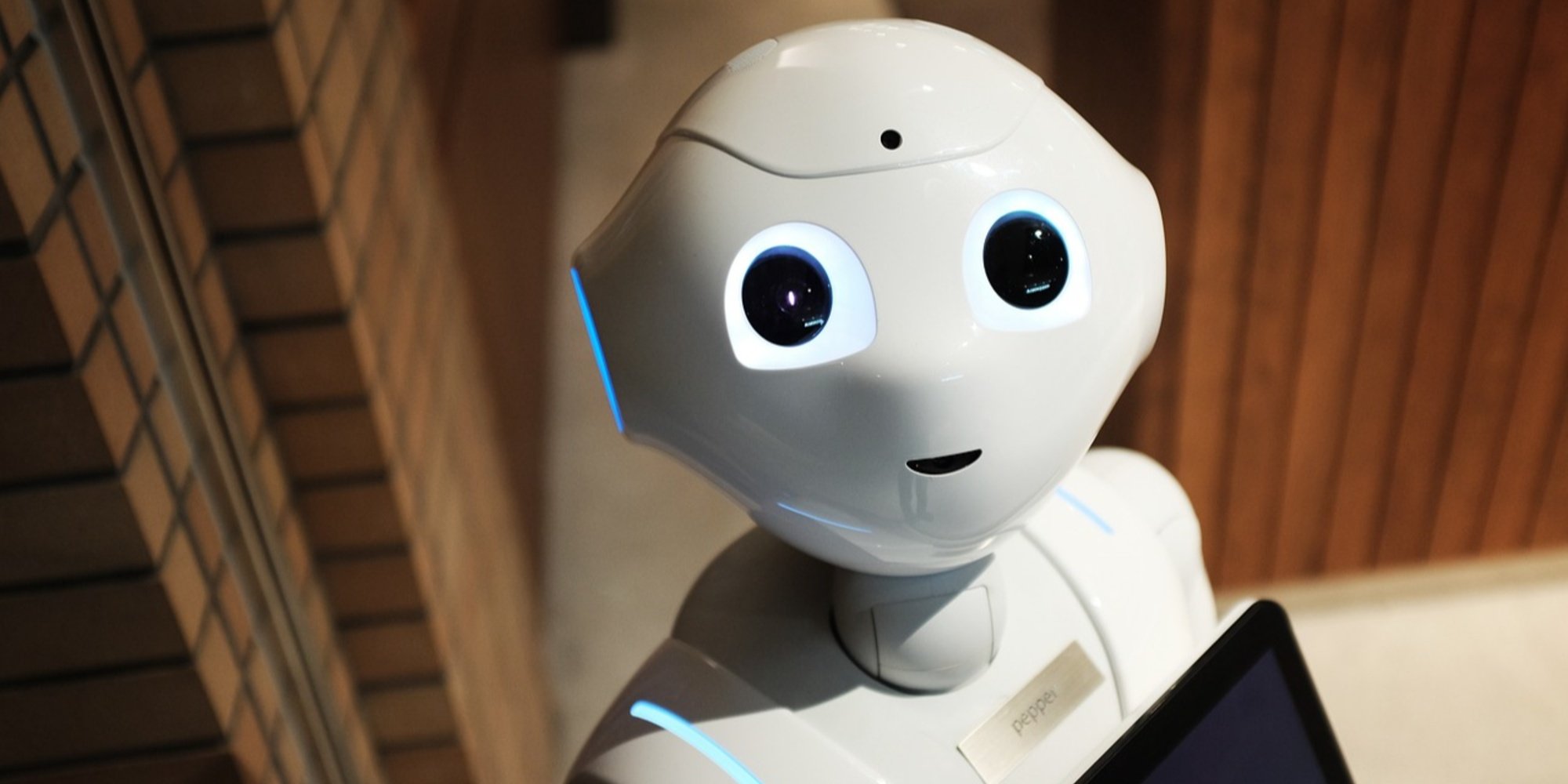
While the first humanoid robots began to be deployed in different sectors, a recent study by Bank of America provides for a spectacular expansion of the market. Its analysts believe that the world’s annual sales of these embodied AI will reach 1 million units by 2030, with a projection 3 billion robots in service by 2060, including a majority in homes.
It is under the background of Sino-American competition that the development of these augmented IA robots will accelerate. China, at the forefront in the deployment of service robots at airports, hotels, shopping centers and restaurants that have been in mass production since 2023, intended to become the world leader in this field, a recently reiterated ambition during the Council of Ministers.
According to analysts from Bank of America, this dazzling growth will be favored by a significant drop in production costs, from $ 35,000 per unit in 2025 to around $ 17,000 by 2030. A cost that will come closer to that of the G1 model (16,000 dollars) presented by Chinese unit in CES 2025.
They estimate that 65 % of these versatile robots will be used in domestic environments, 32 % in the service sector, and 3 % in industry. This distribution shows a tilting of uses to personal assistance functions and automation of daily tasks, rather than towards manufacturing industry, traditionally dominated by non -humanoid robots used for specific tasks.
The engines of this acceleration
Among the key factors of this massive adoption, several technological and societal trends are emerging:
-
AI and automatic learning : progress in computer vision, voice recognition and adaptability allow humanoids to fit into complex interactions;
-
Miniaturization and lower component costs : the accessibility of advanced sensors and robotic materials reduces the manufacturing price;
-
The aging of the population and the shortage of labor : many countries, like Japan, anticipate an increasing need for assistance for the elderly and automation in sectors in tension.
Analysts particularly highlight the massive investments of Tesla, Met and Nvidia in this sector. OPENAI, for its part, is one of the first to have invested in Physical Intelligence, a young start-up based in San Francisco which develops a versatile AI model, capable of piloting various robots and physical devices for multiple applications. He also collaborated until last February with Figure AI, a company specializing in humanoid robots.
The large -scale integration of humanoid robots could reshape the world of work. It could be a solution to labor deficits but also questions the risk of massive jobs. This massive adoption raises the question of their ethical and social integration. And you, would you be ready to cohabit with a humanoid robot?